
Our Attorneys
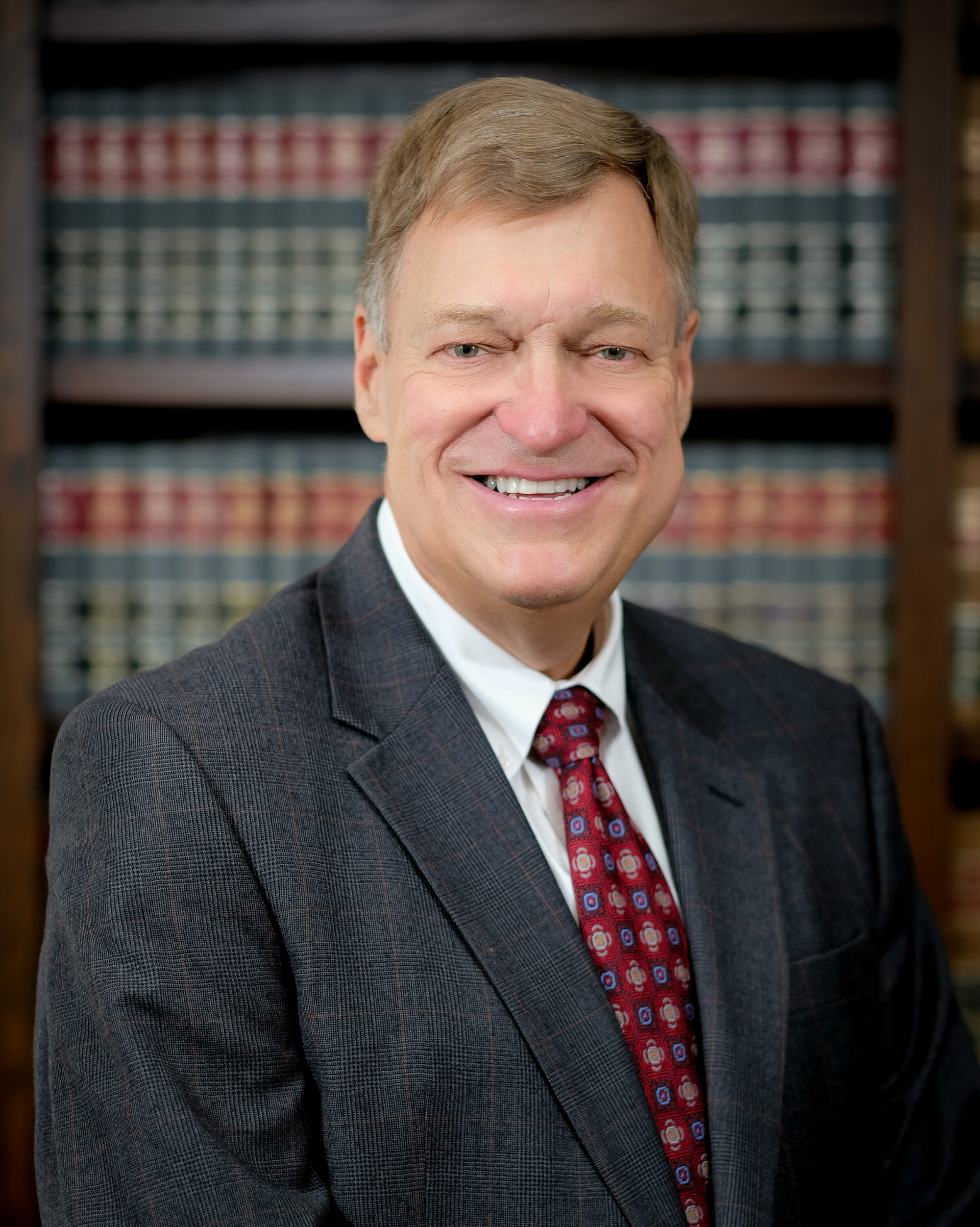
Timothy P. Heather, Esq.
IN MEMORIAM
Timothy P. Heather passed away on Saturday, October 7, 2023, at the age of 68. He was born to Gloria (nee Symmonds) and the late Roger Heather on April 10, 1955, in Cincinnati, Ohio. Tim was the beloved husband of Paula Heather (nee Hill) for 42 years; loving father of Philip (Jessica) Heather, Stephanie (Kevin) Lincoln, and Diana (Talmadge) Zipperer; cherished Papa of Madelyn Heather (11), Allison Zipperer (11), Titus Lincoln (11), Silas Lincoln (9), Dallas Zipperer (9), Gwendolyn Heather (9), and Bella Lincoln (8); and treasured brother of Christopher Heather and Lynne (Tom) Toensmeyer. He is also survived by many dear cousins, nieces, and nephews.
Tim was a proud graduate of the University of Cincinnati where he received both his undergraduate and law degree. He was head partner at Benjamin, Heather, Iaciofano & Bitter, LLC where he leaves behind many devoted colleagues and friends. As a lover of history, particularly American History, Tim was inspired by Abraham Lincoln. He was a man of integrity, kindness, politeness, and will be remembered for his attention to detail, unwavering optimism and fortitude. Tim was a positive mentor for many and a man of deep faith. He was involved in his community at Monfort Heights United Methodist Church and generously gave of his time. Tim enjoyed supporting Cincinnati sports teams like the Bengals, Reds, and his beloved UC Bearcats. Above all, however, Tim loved spending time with his family. He prioritized his family and took greatest pleasure in the times when they could all be together. He was a loving husband, devoted father, and proud Papa. Tim will be missed tremendously by all who were blessed enough to have known him.
.
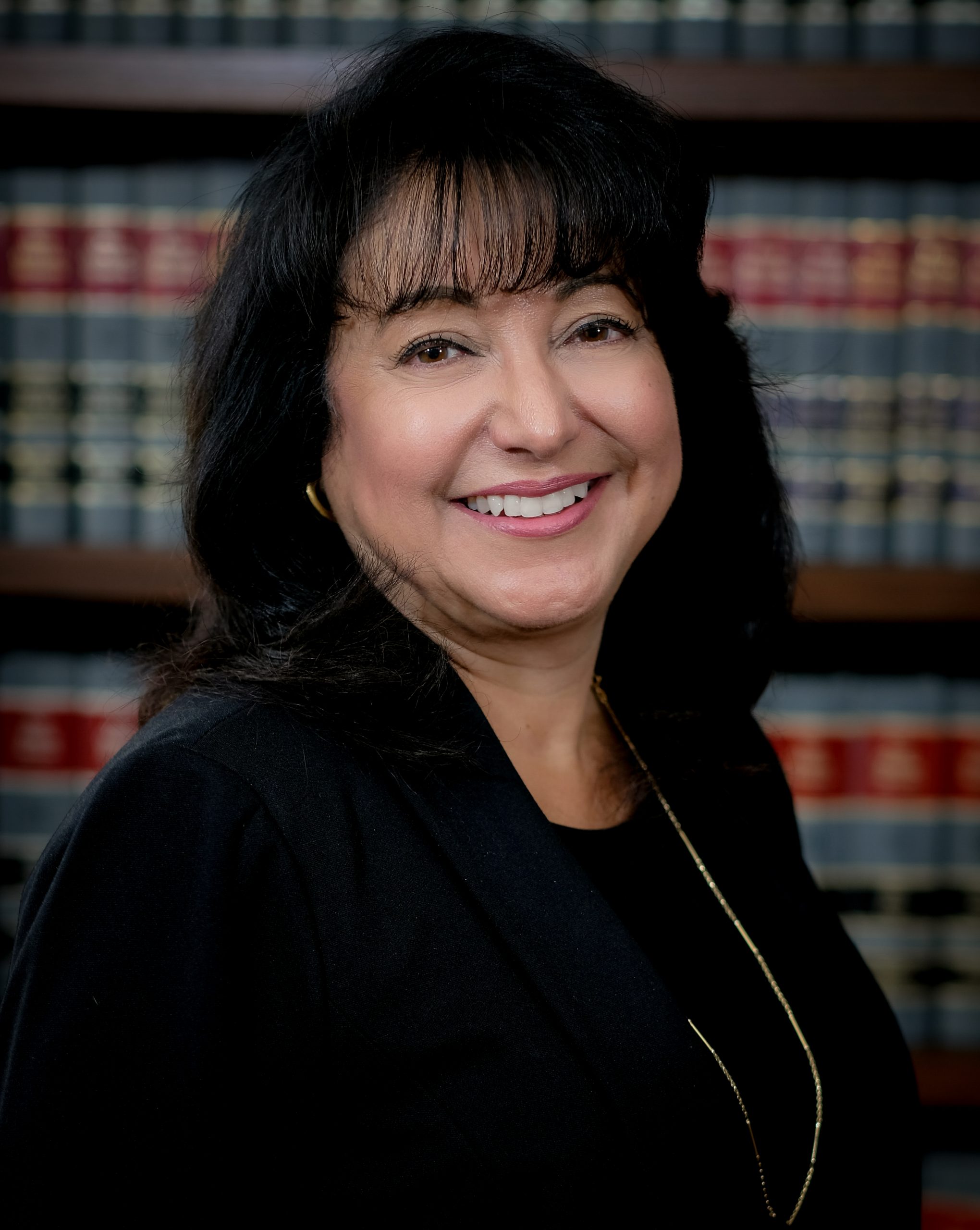
LiSA M. Bitter, ESQ.
Probate Administration
Estate Planning
Lisa, licensed in Ohio and Kentucky, has been practicing law in Cincinnati for the past 27 years concentrating in the areas of estate planning, probate, trust administration, guardianships and a general civil law practice. Lisa is a referral attorney for Pro-Seniors, ARAG, and Hyatt Legal Services Plans.
.

Anthony J. Iaciofano, Esq.
Personal Injury, Insurance Law, Business
General Civil Litigation
Tony, a Cincinnati native, is a graduate of Thomas More College and University of Dayton School of Law and is licensed in Ohio and Kentucky. Tony is a seasoned trial lawyer for the past 35 years who practices in the areas of insurance law (accident cases and insurance fraud cases), personal injury, business and corporate law, construction law and collections.
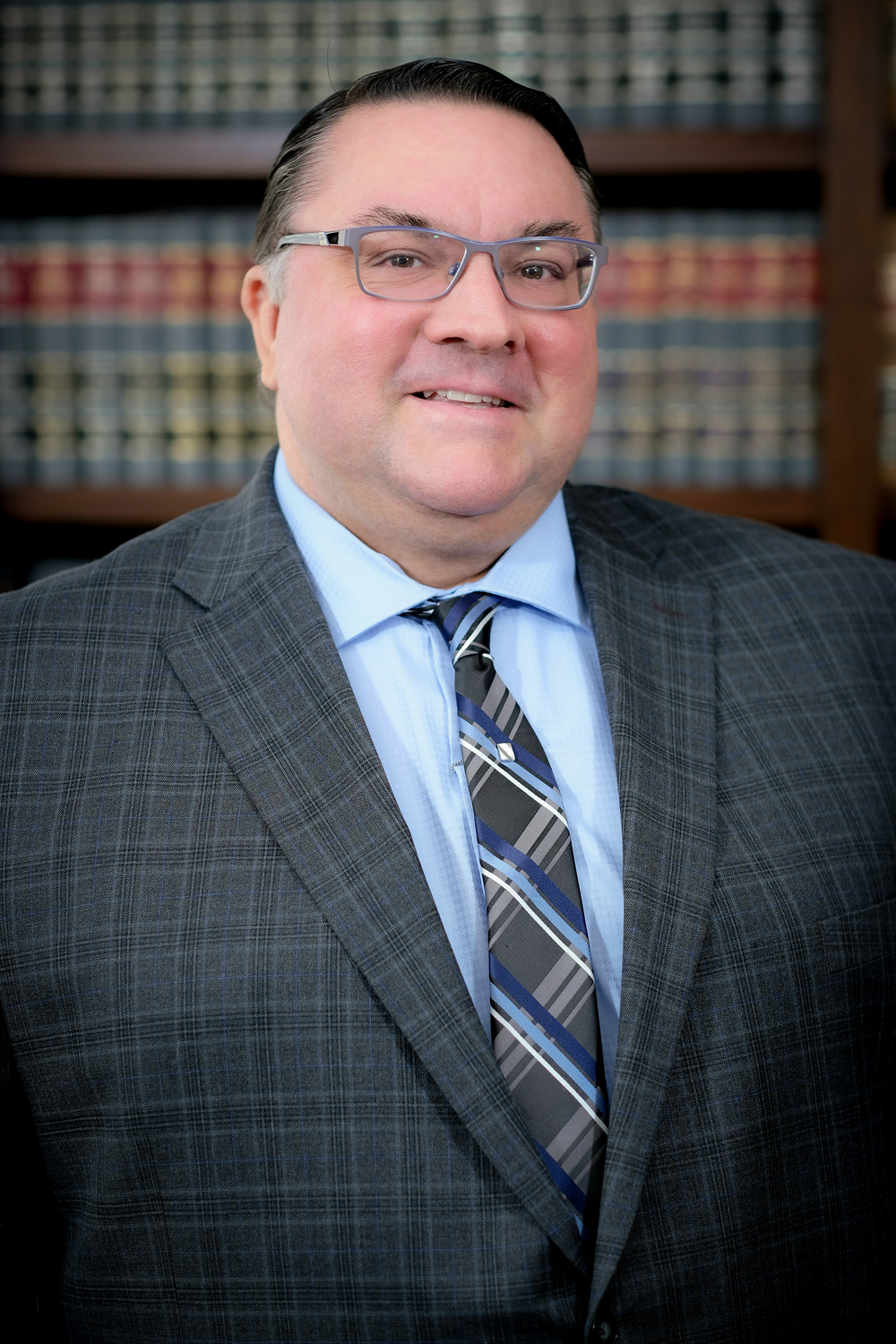
JOSé PEDRO SANTOS, SENIOR PARALEGAL
José Pedro, a native of Madrid, Spain, is a graduate of the American Institute for Paralegal Studies, an AACP, and is certified by the OSBA. He works primarily with insurance defense litigation, collections, real estate, probate and construction law as well as assisting the firm’s Spanish speaking clients. José Pedro is also the Honorary Consul of Spain in Cincinnati.